The plastic gear industry is a vital component of global manufacturing. It plays a key role in various sectors, including automotive, electronics, and robotics. Experts stress the importance of sourcing high-quality plastic gears from reliable suppliers. One such expert, Dr. Emily Chang, a leading figure in automation technology, emphasizes, “The precision of plastic gears can significantly impact machinery performance.”
In recent years, China's production capacity has gained global recognition. Chinese manufacturers are increasingly known for their ability to deliver top-quality plastic gears at competitive prices. However, not all suppliers maintain the same standards. Buyers must scrutinize potential partners and consider factors like material quality and production techniques.
While many manufacturers promise excellence, achieving consistent quality is challenging. The market can be saturated with options, yet choosing the right supplier requires careful evaluation. It’s crucial for buyers to prioritize manufacturers who demonstrate a commitment to quality assurance and innovation in their production processes. This strategy not only ensures reliability but also optimizes overall machinery efficiency through superior plastic gears.
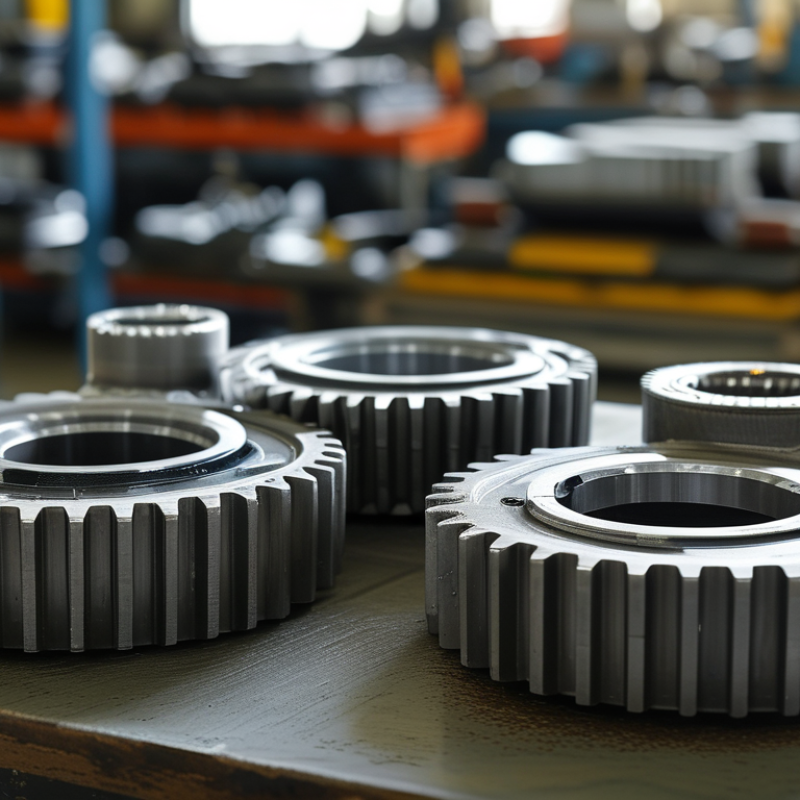
The global market for plastic gears is evolving rapidly.
Manufacturers from various countries, particularly China, are offering innovative designs.
These gears play critical roles in many industries, including automotive and electronics.
Lightweight and durable, plastic gears can often outperform traditional metal alternatives.
They reduce noise and vibration, making them ideal for high-speed applications.
However, quality control remains a concern. Not all manufacturers maintain the same standards.
Variability in production methods can lead to inconsistencies. This factor is crucial for global buyers.
They need to ensure that they partner with reputable suppliers. Certifications and quality inspections are vital in this respect.
Sustainability is another emerging trend. Many manufacturers are beginning to explore bioplastics and recyclable materials.
This shift aligns with global efforts toward environmental responsibility. Brands are increasingly focused on reducing their carbon footprints.
The exploration of this new avenue presents opportunities and challenges. It requires a careful balancing act between performance and sustainability.
China plays a vital role in the global plastic gear manufacturing industry. In 2021, China's plastic gear market was valued at approximately $1.4 billion. This number reflects the increasing demand for durable and lightweight components across various industries.
The rapid growth of the automotive and electronics sectors significantly drives this demand. Manufacturers in China are leveraging advanced technologies to enhance production efficiency and quality. However, challenges remain. Some buyers report inconsistencies in product quality and compliance with international standards. These issues underscore the importance of thorough vetting and quality assurance when sourcing from Chinese suppliers.
Statistics indicate that China's market share in global plastic gear exports is around 35%. Still, fluctuations in material costs and supply chain disruptions can impact reliability. Transparent practices and quality certifications are crucial for buyers to ensure they receive top-quality products. Ongoing industry adjustments aim to address these challenges while maintaining competitiveness in the global market.
The demand for high-quality plastic gears is steadily increasing among global buyers. Several key factors contribute to this trend. The versatility and lightweight nature of plastic gears make them appealing to various industries. They are widely used in automotive, robotics, and consumer products. Additionally, they often provide a cost-effective alternative to metal gears.
Manufacturing advances in China have enhanced the quality of plastic gears. Improved materials and production techniques ensure durability and reliability. Despite these advancements, quality control remains a critical concern. Not all manufacturers uphold the same standards. Buyers must verify the credentials of suppliers to ensure consistent quality.
Sustainability also plays a vital role in the growing demand for plastic gears. Many global companies seek eco-friendly materials. This shift creates opportunities for suppliers who prioritize sustainable practices. However, the challenge lies in balancing performance and environmental impact. Finding the right supplier who aligns with these values is essential for global buyers.
| Application Industry | Material Type | Production Method | Global Demand Growth (%) | Cost per Unit ($) |
|---|---|---|---|---|
| Automotive | ABS Plastic | Injection Molding | 6.5% | 0.50 |
| Electronics | Polycarbonate | 3D Printing | 8.0% | 0.80 |
| Consumer Goods | Nylon | Thermoforming | 5.5% | 0.35 |
| Industrial Machinery | Polypropylene | Machining | 7.2% | 0.60 |
| Healthcare | Medical Grade Plastic | Blow Molding | 9.0% | 1.20 |
When sourcing plastic gears from China, quality standards and certification processes play a critical role. The manufacturing sector in China has made strides in adhering to international standards. For example, ISO 9001 is a widely recognized quality management system that many Chinese manufacturers follow. This certification ensures that products meet customer requirements and enhance satisfaction.
However, not all manufacturers are certified or compliant. According to a 2023 industry report, only about 30% of Chinese manufacturers in this sector fully meet international quality standards. This discrepancy raises concerns for global buyers seeking reliable suppliers. Inconsistent quality can lead to performance issues in critical applications. Buyers should conduct thorough audits and request documentation of quality compliance.
Additional certifications, such as ISO 14001 for environmental management, are also relevant. These certifications indicate a commitment to sustainable practices. However, obtaining them can be a lengthy process. In some cases, manufacturers may have outdated certifications, or they may not undergo regular audits. Buyers should verify the current status of certifications before proceeding with orders. Transparent communication about these aspects can help in making informed decisions.
When sourcing plastic gears from Chinese suppliers, understanding the balance between cost and quality is vital. Many buyers are drawn to the low prices that Chinese manufacturers offer. However, lower costs can sometimes lead to compromised quality. It’s essential to analyze the materials and processes used by suppliers. Some manufacturers may cut corners, resulting in products that underperform or wear out quickly.
Quality assurance is crucial. Ensure that you request samples before placing large orders. This will help gauge whether the products meet your standards. Also, consider supplier certifications. A reputable supplier often holds quality certifications, which can serve as a reliable benchmark.
Tips: Always ask for references from past clients. It can provide insights into the supplier's reliability and the true quality of their products. Additionally, regular communication with your supplier can help navigate surprises or misunderstandings. Stay informed about fluctuations in material costs, as they can affect your supply chain. Re-evaluating your suppliers periodically is wise; even previously reliable sources can change.
: The lightweight and versatile nature of plastic gears appeals to various industries.
They are used in automotive, robotics, and consumer products.
Not all manufacturers maintain consistent quality, so verification is necessary.
Request samples before large orders to ensure they meet your standards.
Certifications indicate a supplier's adherence to quality standards and reliability.
Many companies prefer eco-friendly materials, impacting purchasing decisions.
Lower costs may lead to compromised quality, making careful analysis essential.
Regular communication and asking for client references can help resolve issues.
Supplier quality can change, and it’s wise to ensure continued reliability.
Fluctuations in material costs can affect availability and pricing.
The article "Top Quality Plastic Gear from China for Global Buyers" delves into the dynamics of the plastic gear market, highlighting key global trends and China's pivotal role in manufacturing. It outlines how China's efficient production capabilities and competitive pricing have positioned it as a leading supplier for global buyers seeking high-quality plastic gears. The demand for these components is fueled by advancements across various industries, requiring reliable and durable gear solutions.
Furthermore, the article emphasizes the importance of quality standards and certification processes that ensure the reliability of plastic gears sourced from China. It includes a comparative analysis of cost versus quality, guiding buyers in making informed decisions when sourcing from Chinese suppliers. Overall, the article serves as a comprehensive overview for global buyers looking to navigate the complexities of the plastic gear market effectively.

Kineto Motor