Precision Gears play a crucial role in various engineering projects. They ensure accuracy and reliability in motion control. Choosing the right precision gear is essential for optimal performance.
In today’s competitive market, selecting from the best precision gears can be overwhelming. There are many options available, each tailored for different applications. Understanding your project's specific needs is necessary. It can be easy to overlook important details, and mistakes can lead to costly delays.
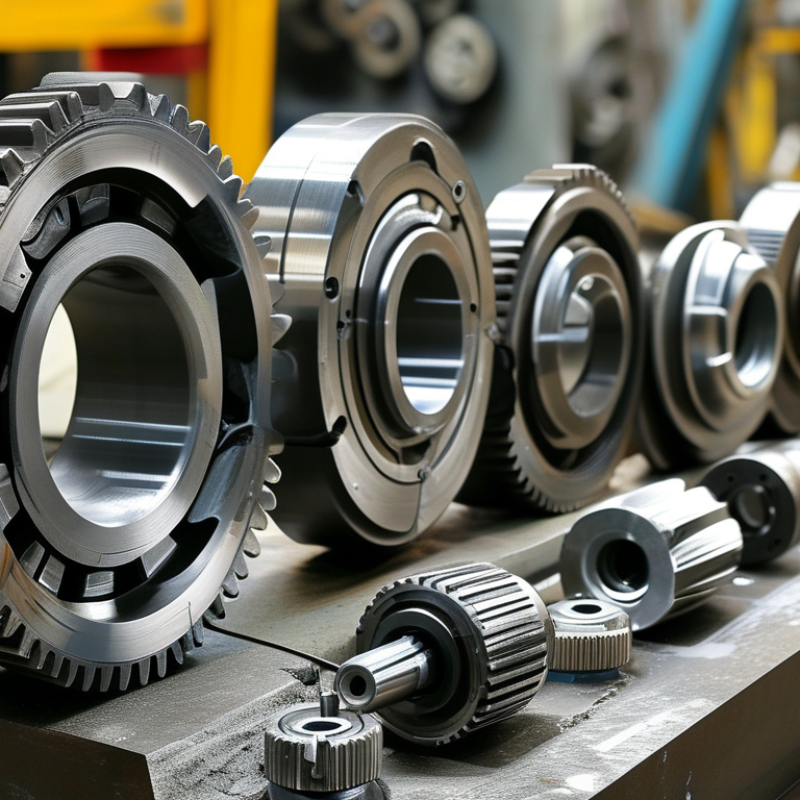
This guide outlines the top 10 precision gears you need for your next project. We will provide insights into each type, highlighting their unique features and benefits. You’ll find gears suited for various industries, helping you make informed decisions. Relying on quality precision gears creates better efficiency and reduces the risk of failure.
Top 10 Precision Gears Used in Robotics and Automation Projects
In robotics and automation, precision gears are essential for achieving high performance. These gears transmit motion efficiently, helping to create smooth and precise movements. They also minimize backlash, which is crucial in applications requiring accuracy. When selecting gears, it's important to consider factors like material, size, and torque ratings.
One common type of gear used in robotics is the spur gear. It has straight teeth and is easy to manufacture, making it an efficient choice for many projects. Another option is the helical gear, known for its ability to handle higher loads due to its angled teeth. This design reduces vibrations, which is vital for sensitive robotic applications. Planetary gears are also popular; they offer compact designs and high torque with minimal backlash.
While choosing the right gear, it's common to overlook specific requirements. For example, the noise level may not be prioritized but can affect robot performance. Additionally, material durability might be underestimated, leading to early gear wear. Understanding these details requires careful analysis and sometimes, trial and error. The learning process is part of optimizing robotics projects.
Key Specifications to Consider When Selecting Precision Gears
When selecting precision gears for your project, focus on key specifications. Material choice is crucial. Gears made from steel or plastic offer different durability and weight options. Consider the environment where the gears will operate. Corrosion-resistant materials may be necessary for harsh conditions.
Size and dimensions matter too. Ensure that the gears fit into your design without modifications. The gear ratio impacts speed and torque. A higher ratio yields more torque but less speed, and vice versa. Assess what fits your project best.
Tip: Always check compatibility with other components. Mismatched gears can lead to failure. Testing prototypes is essential. It can reveal issues not apparent in calculations. Adjustments might be needed after initial tests. Be open to making changes as required. Flexibility helps in achieving the best results.
Impact of Gear Material on Durability and Performance in High-Stress Environments
When selecting precision gears for high-stress environments, material choice is crucial. Steel, for instance, offers excellent strength and wears resistance, making it a popular choice. However, steel can fail in extremely corrosive settings. In these cases, considering materials like stainless steel or specialized alloys becomes essential. These alternatives can provide the necessary durability while enhancing performance.
Another important aspect is weight. Lighter materials, such as aluminum or plastic composites, can be useful in reducing overall system weight. Yet, they may not withstand forces as effectively as heavier materials. There’s a balance to strike between weight and strength. Engineers must evaluate the specific requirements of their project carefully.
In high-stress situations, reliability is non-negotiable. Testing different materials under load conditions can reveal weaknesses. Even minor fractures can lead to failure. Understanding the limitations of your materials is vital. Constant optimization based on real-world performance leads to better outcomes. Balancing durability and performance requires ongoing reflection and adjustment.
Market Trends: Growth of Precision Gear Demand in Various Industries
In recent years, precision gear demand has surged across various industries. This growth is primarily driven by advancements in technology, automation, and the need for higher efficiency. Industries like automotive, aerospace, and robotics are experiencing a substantial increase in demand for reliable precision gears. These gears enable smoother operations, enhance performance, and reduce wear and tear.
One tip for selecting precision gears is to consider material choice. High-quality materials ensure durability and performance. Steel, aluminum, and composites are popular choices, each offering distinct advantages. Additionally, pay attention to gear design. The right design can lead to significant improvements in production efficiency.
Another important aspect is maintenance. Regular checks can identify potential issues before they escalate. Some common signs of wear include unusual noises or vibrations. Investing in quality precision gears is crucial for long-term success. Balancing cost and quality can be challenging, but it often pays off. Precision gears that meet your project's needs are essential for optimal performance and reliability.
Case Studies: Successful Applications of Precision Gears in Engineering Projects
In engineering projects, precision gears play a critical role. Their design can make or break project outcomes. A case study involving robotics shows the necessity of precise gear selection. When a team used misaligned gears, they faced unexpected failures, leading to delays. This illustrates that even small errors can have large consequences.
Another project centered on an automated assembly line demonstrates the value of high-quality gears. Here, teams implemented precision gears to enhance productivity. The gears operated smoothly, significantly reducing downtime. Accurate engineering analysis ensured gear compatibility. Yet, prototypes revealed minor adjustments were required, proving continuous improvement is vital.
These examples underscore the importance of precise gear choice in engineering. They highlight the need for rigorous testing and validation. By focusing on quality and fit, projects can achieve their intended results. Engineers must remain vigilant, learning from each experience to refine their designs.
Top 10 Precision Gears You Need for Your Next Project
Conclusion
The article "Top 10 Precision Gears You Need for Your Next Project" highlights the crucial role of precision gears in robotics and automation. It lists the top ten gears that are essential for enhancing the efficiency and accuracy of engineering projects. Key specifications to consider when selecting precision gears include gear material, size, and load capacity, which significantly impact durability and performance, especially in high-stress environments.
Moreover, the article discusses the current market trends indicating a growing demand for precision gears across various industries, driven by advancements in technology. Case studies are presented to illustrate successful applications of precision gears in engineering projects, demonstrating their importance in achieving superior functionality and reliability in complex systems. Overall, this comprehensive analysis underscores the necessity of incorporating high-quality precision gears for optimal results in engineering endeavors.

 Kineto Motor