Top 10 Plastic Transmission Parts You Need for Your Vehicle?

Time:2026-08-14 Author:Ethan
0%

In the realm of automotive engineering, the importance of durable "Plastic Transmission Parts" cannot be overstated. Expert James Turley, a veteran in automotive parts manufacturing, emphasizes, "Quality plastic components can significantly enhance a vehicle's transmission efficiency." This statement reflects a growing trend in the automotive industry, where plastic parts are increasingly favored for their lightweight properties and resistance to corrosion.

However, not all plastic transmission parts are created equal. Some components may falter under high-stress conditions, leading to premature wear and potential vehicle failure. It's crucial for vehicle owners and mechanics to understand the quality differences within this category. Utilizing subpar parts can result in costly repairs and safety issues down the line.

As the market evolves, identifying reliable suppliers and manufacturers becomes essential. The right plastic transmission parts can contribute to a smoother driving experience and improved fuel efficiency. Yet, with the advantages come challenges. Understanding these nuances is vital for making informed decisions in vehicle maintenance and performance upgrades.
Top 10 Plastic Transmission Parts You Need for Your Vehicle?

Essential Overview of Plastic Transmission Parts for Vehicles

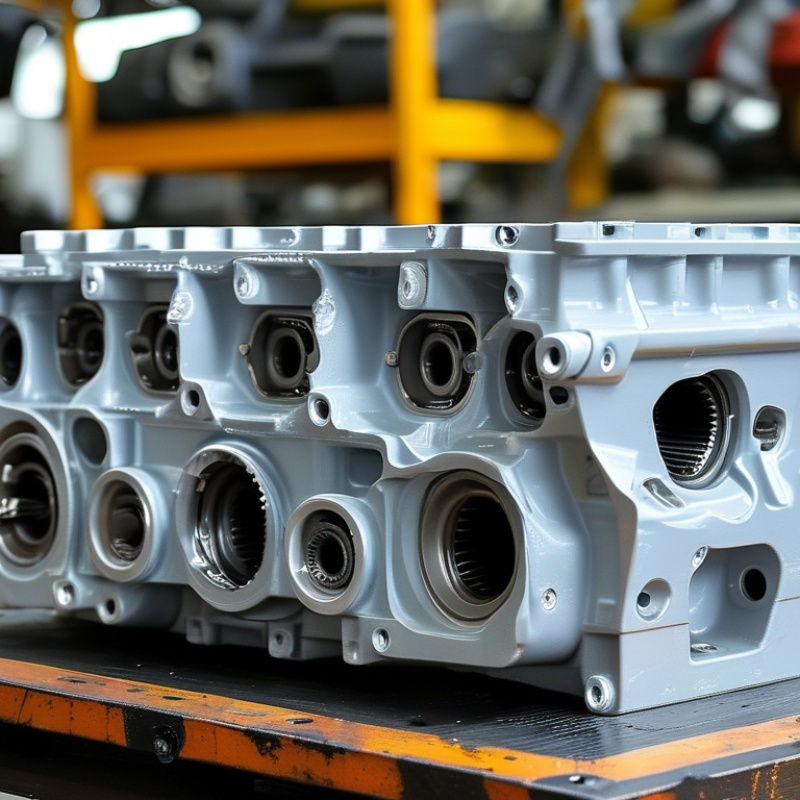
Plastic transmission parts are vital for modern vehicles. They provide lightweight solutions while maintaining strength and functionality. Common components include the valve body, covers, and various gears. These parts are often made from high-quality polymers that resist wear and heat.

One crucial tip is to regularly inspect plastic parts for signs of wear. Cracks or discoloration can indicate potential failure. Replacing worn components early can save money and prevent more significant issues. Ensure that any replacement parts meet quality standards.

Drivers should also be aware of temperature effects on plastic. Extreme heat can weaken these parts, while cold can make them brittle. Keeping transmission fluid at optimal levels helps regulate temperature and extends the life of plastic components. Regular fluid changes are essential to maintain performance.

Top 10 Plastic Transmission Parts You Need for Your Vehicle

Part Name Function Material Type Common Issues Replacement Frequency
Transmission Filter Cleans transmission fluid Plastic/Composite Clogs, reduces fluid flow Every 30,000 miles
Shift Linkage Transfers gear selection Plastic Wear and misalignment As needed
Transmission Pan Holds transmission fluid Plastic Cracking, leaking Every 60,000 miles
Transmission Solenoid Controls fluid flow Plastic/Copper Failure to shift Every 100,000 miles
Speed Sensor Monitors transmission speed Plastic Inaccurate readings Every 50,000 miles
Shift Fork Engages gears Plastic/Aluminum Wear, jamming As needed
Valve Body Manages fluid distribution Plastic/Aluminum Leaking, malfunction Every 100,000 miles
Bellhousing Encases components Plastic Cracking, misalignment Every 80,000 miles
Torque Converter Transfers engine power Plastic/Metal Slipping, overheating Every 100,000 miles

Key Features to Look for in Plastic Transmission Parts

When choosing plastic transmission parts, several key features come into play. Durability is one of the most critical factors. According to a report by the Society of Automotive Engineers, materials that withstand high temperatures and mechanical stress are often favored. High-quality plastic can significantly reduce wear and prolong lifespan.

Another essential feature is weight. Lighter components can enhance fuel efficiency. A study showed that reducing part weight by just 10% could improve gas mileage by up to 2%. Moreover, selecting parts with resistance to chemical exposure is crucial. Transmission fluids can be aggressive, and using compatible materials ensures performance.

Tip: Always verify the compatibility of the plastic with your vehicle's transmission fluid. Not all plastics react similarly.

Lastly, consider the precision of the component. Parts should fit seamlessly to avoid leaks and vibrations. A mismatch can lead to significant repairs. Regular maintenance can identify early signs of failure, fostering a proactive approach.

Tip: Inspect your transmission parts every 30,000 miles. Early detection can save you money and time.

Top 10 Durable Plastic Transmission Components

When it comes to vehicle maintenance, choosing durable plastic transmission components is essential. These parts offer light weight, resilience, and resistance to corrosion. Not all plastics are created equal, though. The choice of material can impact your vehicle’s performance and longevity.

Some key components, like transmission oil pans and selector levers, are often made from high-quality polymers. These polymers can withstand high temperatures and stress. However, the wrong type of plastic can degrade quickly under certain conditions. It's important to check specifications and make informed decisions based on your vehicle's needs.

Additionally, regular inspection can save you from costly repairs. Look for cracks or wear in components like transmission brackets. Replacement should be timely to avoid further damage. Seeking expert advice can provide insights into what works best for your specific model. Understanding the importance of each part helps in maintaining overall vehicle health.

Benefits of Using Plastic Transmission Parts in Vehicles

Plastic transmission parts are increasingly popular in modern vehicles. They offer several benefits that enhance both performance and efficiency. One significant advantage is the reduction in weight. Lighter components improve fuel economy, which is crucial for saving money. Plastic is also resistant to corrosion. This characteristic extends the lifespan of transmission parts, reducing the need for frequent replacements.

Another benefit of plastic parts is their versatility in design. Manufacturers can mold intricate shapes, creating components that are both functional and lightweight. Additionally, plastic has excellent vibration dampening properties. This helps minimize noise and vibration in the vehicle, leading to a smoother ride. However, not all plastic materials are equal. Some may wear out faster than expected, raising questions about reliability. It’s essential to choose high-quality materials to ensure longevity.

While there are many advantages, there are challenges to consider. Not all mechanics are familiar with working on plastic parts, which may lead to installation issues. Moreover, cheaper plastic options can compromise performance. This offers room for reflection on the importance of selecting the right materials for your vehicle. Balancing cost and quality is crucial for optimal transmission performance.

Maintenance Tips for Plastic Transmission Parts Longevity

Plastic transmission parts are essential in many modern vehicles. They are lightweight and cost-effective. However, they can wear down quickly without proper care. Regular inspections are crucial. Look for cracks or discoloration. Even small issues can lead to significant problems down the line.

To extend the life of these parts, consider using high-quality fluids. Regular fluid changes help reduce friction. Clean the transmission pan regularly. This removes debris that can damage plastic components. Ensure the vehicle is parked on a level surface when checking fluid levels.

Proper installation is key. Follow guidelines during maintenance. Misalignment can lead to premature wear. Stay informed about recalls or safety notices related to your vehicle's parts. Ignoring these can result in safety risks. Engage with professional mechanics for complex issues. Their expertise can provide valuable insights. Regular maintenance is not just a recommendation; it's necessary for longevity.

FAQS

: What should I look for when choosing plastic transmission parts?

: Focus on durability, weight, chemical resistance, and precision. These factors greatly influence performance and lifespan.

Why is weight important for transmission parts?

Lighter components improve fuel efficiency. A 10% weight reduction can enhance gas mileage by up to 2%.

How can I ensure the plastic parts are compatible?

Always verify compatibility with your vehicle's transmission fluid. Different plastics react differently to various chemicals.

What are the benefits of using plastic transmission parts?

They are lightweight, corrosion-resistant, and can be molded into various shapes for better functionality.

What maintenance is required for plastic transmission parts?

Regularly inspect for cracks or discoloration. Also, change fluids regularly to reduce friction.

Can I use cheaper plastic parts?

Cheaper options may compromise performance and longevity. Always prioritize quality to avoid future issues.

How often should I inspect my transmission parts?

Inspect every 30,000 miles. Early detection of issues can save you money and time on repairs.

Is installation of plastic parts challenging?

Not all mechanics may have experience with plastic parts. Proper installation is crucial for performance.

Why is it important to clean the transmission pan?

Cleaning helps remove debris that can damage plastic components and prolong their lifespan.

What should I do if I notice warning signs in my transmission?

Engage with professional mechanics for complex issues. Ignoring warning signs can lead to safety risks.

Conclusion

Plastic transmission parts play a crucial role in the functionality and efficiency of modern vehicles. With an essential overview of these components, it's important to understand their key features, such as durability, weight reduction, and resistance to corrosion. The article highlights the top 10 durable plastic transmission components that are vital for optimal vehicle performance.

Using plastic transmission parts comes with significant benefits, including lower manufacturing costs and improved fuel efficiency. However, maintenance tips are essential for ensuring the longevity of these parts. Regular inspections and appropriate care can help maximize their lifespan and maintain the overall health of the transmission system. By choosing the right plastic transmission parts and following proper maintenance practices, vehicle owners can enhance reliability and performance in their automobiles.

Ethan

Ethan

Ethan is a seasoned marketing professional with a deep expertise in our company's innovative product line. With a passion for sharing knowledge and insights, he takes the lead in regularly updating our corporate blog, where he explores industry trends, product features, and effective marketing......