In today's fast-paced world, efficient power solutions are more critical than ever. Gear Reduction Motors play a pivotal role in various applications. They help to convert high-speed, low-torque input into low-speed, high-torque output. This conversion is crucial in sectors ranging from robotics to automotive.
Selecting the right gear reduction motor can be challenging. The market offers a plethora of options, each with distinct features and specifications. Understanding these differences can make a significant impact on performance. Manufacturers often highlight efficiency ratings, durability, and size. However, these claims require careful scrutiny. Real-life performance can vary.
This guide explores the Top 10 Gear Reduction Motors available today. We will delve into their applications, strengths, and potential weaknesses. By analyzing each option, you can make informed decisions. Let's navigate this complex landscape together, highlighting both effective choices and areas that require caution.
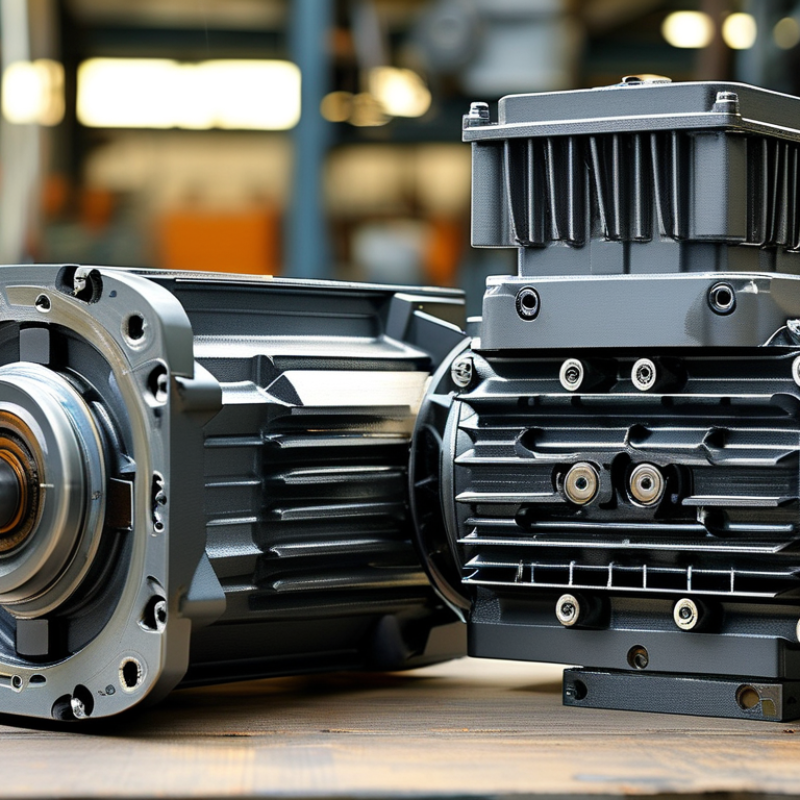
Gear reduction motors play a crucial role in various applications, from robotics to conveyor systems. These motors convert high-speed input into controlled, lower-speed output, providing necessary torque. They work by using gears that magnify rotational force. This functionality is essential in tasks requiring precision and reliability. The ability to adjust speed and torque makes gear reduction motors versatile.
The design of these motors involves intricate components, including gears and casings. Proper alignment and material quality are vital for effective performance. One common drawback is the potential for increased wear on gears, leading to maintenance challenges. This aspect demands regular checks and possible replacements to ensure longevity and efficiency. Understanding the intricacies of gear reduction motors allows users to address these issues proactively.
Many users may overlook the importance of precise gear selection. The wrong gear ratio can lead to performance losses. This small choice can make a significant impact on overall efficiency. Therefore, it’s essential to consider various factors, such as load and speed. Gaining expertise in gear reduction motors’ functionality ensures that users make informed decisions and achieve optimal results in their projects.
When selecting gear reduction motors, consider various key features that enhance efficiency. One vital aspect is the gear ratio. A higher gear ratio can provide greater torque at low speeds but may lead to power loss at higher speeds. Understanding the application requirements helps determine the right balance. Pay attention to load capacity as well. Choosing a motor with the right load rating is essential. Overloading can lead to premature failure.
Another critical feature is the motor's efficiency rating. Search for high-efficiency models that minimize energy loss. This will help reduce operational costs. Also, examine durability factors. Materials and construction quality affect the lifespan of the motor. Look for robust designs that withstand harsh conditions.
Lastly, ensure compatibility with existing systems. The motor should seamlessly integrate into your setup. This includes assessing the mounting options and electrical connections. The specifics of your project may require custom solutions. Engaging with experts in the field can clarify these complexities and help identify any potential pitfalls.
Gear reduction motors are essential in many applications. They provide the torque and efficiency needed for diverse industries. A recent industry report highlighted that gear reduction motors can enhance efficiency by up to 30%. This improvement directly impacts sectors like robotics and automotive manufacturing. These motors allow precise control and high-speed operations.
In conveyor systems, gear reduction motors play a critical role. They ensure materials move smoothly and consistently. A study found that these motors can reduce energy consumption by as much as 20%. This reduction is vital for companies aiming for sustainability. Additionally, in packaging machines, the right gear reduction motor can significantly increase throughput. The demand for efficient power solutions in various applications drives continuous innovation.
Industries often face challenges in selecting the right motor. It’s important to consider load requirements and desired speed. However, the wrong choice can lead to inefficiencies and increased costs. The complexity of choosing the right motor requires a deep understanding of each application. Moreover, ongoing maintenance can be a concern, as failing components may disrupt productivity. Understanding these nuances is essential for optimal performance in gear reduction motors.
When selecting gear reduction motors, efficiency is a key factor influencing performance across various applications. A noteworthy report published by the International Electrotechnical Commission indicates that efficient motors can save up to 30% more energy than their conventional counterparts. This staggering figure highlights the importance of choosing the right motor, especially in industries focused on reducing operational costs.
Gear reduction motors work by lowering the speed while increasing torque, which is crucial in many mechanical applications. According to the Electric Power Research Institute, these motors can provide torque amplification, thus improving overall operational efficiency. However, not all gear motors are created equal. A comparative analysis reveals that some gear motors excel in specific torque ranges, while others may suffer from overheating issues. This disparity suggests the importance of evaluating motor specifications comprehensively.
In real-world applications, the choice of motor impacts productivity significantly. Some industries report increased maintenance costs due to premature wear in lower-quality motors. Therefore, understanding the specific requirements for each application, such as load conditions and operating environment, becomes essential. The need for continuous innovation also poses a challenge, as technology evolves faster than some manufacturers can adapt. This indicates a gap that industry professionals must address for sustained performance.
Efficient power solutions have become essential in modern industries. By utilizing gear reduction motors, businesses can significantly improve energy management. These motors reduce speed while increasing torque, leading to better performance and reduced energy consumption. Industries that rely heavily on machinery benefit immensely from this approach.
One key advantage is the reduction of operational costs. Efficient systems can minimize wasted power, translating into lower utility bills. This not only saves money but also contributes to sustainability efforts. Less energy used means a smaller carbon footprint. However, some industries still overlook the importance of investing in such technologies, often resulting in missed opportunities for improvement.
Reliability is also crucial when selecting power solutions. Gear reduction motors are known for their durability and ability to withstand harsh conditions. The choice of materials and engineering designs is vital to their success. Yet, many organizations may fail to prioritize maintenance. Regular checks and updates are necessary to ensure long-term performance. Investing in quality motors and practices is essential for maximizing efficiency and reliability in the workplace.
: The gear ratio is crucial. A higher gear ratio increases torque but may reduce power at high speeds.
Choosing the right load rating prevents overloading, which can lead to premature failure of the motor.
High-efficiency motors minimize energy loss, helping to reduce overall operational costs significantly.
Durable materials affect lifespan, so robust designs are essential for harsh conditions to ensure reliability.
Assess mounting options and electrical connections to make sure the motor integrates seamlessly into your setup.
They lead to reduced energy consumption and lower operational costs, aiding in sustainability efforts and reducing carbon footprints.
Some companies overlook the importance of these technologies, missing opportunities for significant improvements.
Regular checks and updates are vital to ensure long-term performance and reliability of the motors.
Choosing the wrong motor can lead to inefficiencies, increased costs, and disrupt productivity in operations.
They reduce speed while boosting torque, enhancing overall performance and minimizing energy use in machinery.
Gear reduction motors are essential components in various applications, enabling increased torque and reduced speed in mechanical systems. Understanding their functionality is crucial, as these motors effectively convert high-speed input into manageable output, making them ideal for industries that require precision and efficiency. When selecting gear reduction motors, key features such as torque capacity, efficiency ratings, and durability play a significant role in determining the right fit for specific needs.
The article outlines a comparative analysis of the top 10 gear reduction motors, highlighting their suitability for different applications. By exploring the benefits of utilizing efficient power solutions in industries, it emphasizes how these motors contribute to enhanced performance and energy savings. Overall, gear reduction motors are vital for achieving effective power solutions in diverse settings, driving innovation and productivity across sectors.

Kineto Motor