What Are the Top 10 Worm Gear Systems for Buyers? This question deserves more than a list of popular products. Worm Gear Systems can look similar on a catalog page, yet perform very differently under heat, shock loads, and continuous operation. A compact gearbox may suit a conveyor, while a heavier unit may be necessary for a packaging line or lifting mechanism.
Dr. Hermann J. Stadtfeld, a respected gear engineer, offers a useful reminder: “A gear is only as good as its application.” That principle shapes this buyer-focused guide. We examine ten Worm Gear Systems through practical details, including reduction ratio, rated torque, efficiency, backlash, mounting position, lubrication, housing strength, and service support. Small details matter. A warm housing can signal friction, poor lubrication, or an undersized unit.
Real-world experience also complicates the buying decision. Higher reduction does not always mean better performance. A system with excellent torque may waste energy during long operating cycles. Another model may offer a lower price but require frequent maintenance. Buyers should question optimistic efficiency figures, especially when manufacturers use different testing conditions.
This overview compares established designs with flexible alternatives for industrial machinery, automation, conveyors, and positioning equipment. It does not treat one gearbox as universally superior. Duty cycle matters. Ambient temperature matters. Installation errors matter too. Some recommendations may remain imperfect because application data is often incomplete. That limitation deserves attention before any purchase. The right choice balances measurable performance, operating conditions, total cost, and dependable technical support.
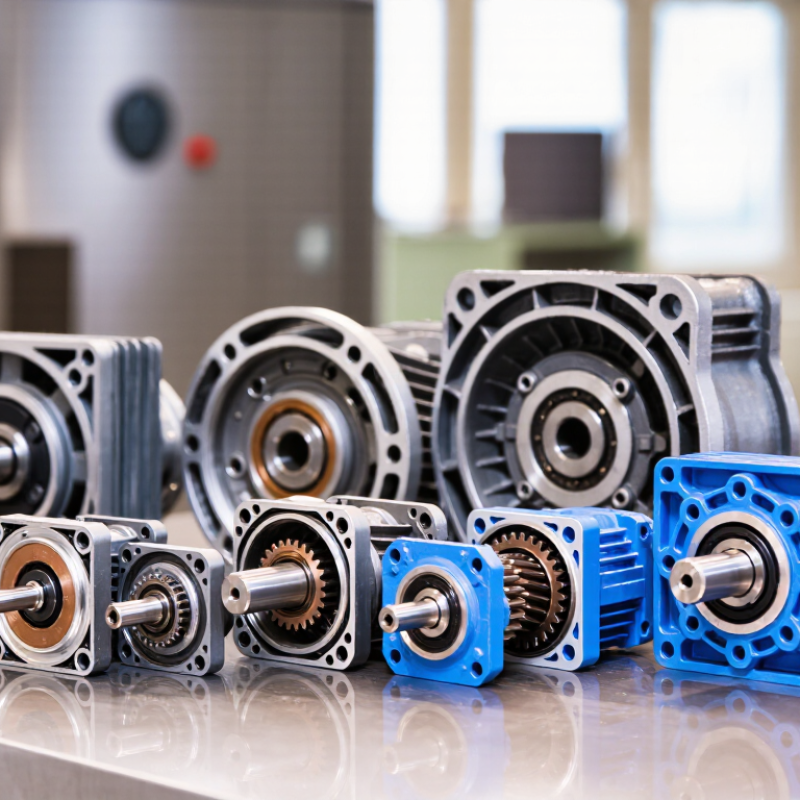
Worm gear systems commonly cover ratios from 5:1 to 100:1. A 5:1 unit may deliver faster output with moderate torque multiplication. A 100:1 unit offers slower movement and stronger reduction. The trade-off is efficiency. Depending on tooth geometry, load, speed, lubrication, and alignment, efficiency may range from 50% to 90%. Lower ratios often run more efficiently. High-ratio designs can produce more heat. That detail matters during continuous operation.
When comparing the top ten systems, buyers should inspect measured efficiency, rated torque, backlash, thermal limits, and service life. Do not rely on ratio alone. A compact gearbox may fit the machine, yet overheat beside a warm motor. In practical testing, a small alignment error can create noise, vibration, and rapid wear. A clean data sheet helps, but it cannot replace testing under the intended load. I have found that real performance sometimes falls below the catalog figure. That gap deserves attention.
A clean data sheet helps, but it cannot replace testing under the intended load.
Tips: Check efficiency at your actual speed and torque. Confirm whether the rating is continuous or intermittent. Use the recommended lubricant and inspect shaft alignment during installation. Leave space for cooling. If the application needs frequent reverse motion, question the expected wear rate. A self-locking assumption can also be unsafe, because holding ability changes with angle, vibration, lubrication, and load conditions. Try a sample unit first.
Choosing among the top 10 worm gear systems starts with measurable buyer standards, not catalogue rankings. Torque should be checked at the output shaft, after efficiency losses. A 1,000 Nm requirement may need a 1,500 Nm gearbox when starts are frequent or loads shock the reducer.
Speed matters twice. Input speed affects heat, while output speed controls process accuracy. ISO/TR 14521:2010 evaluates worm gear load capacity through torque, speed, geometry, materials, and thermal limits. That framework is useful, but it does not replace application testing. Real floors are rarely clean.
Duty cycle deserves equal attention. A conveyor running eight hours daily needs different thermal capacity than an indexing drive operating continuously. The U.S. Department of Energy identifies motor-driven equipment as a major industrial electricity load, making efficiency and heat management practical cost issues. Buyers should record starts per hour, ambient temperature, mounting position, and required service life. Keep it specific.
Service factors up to 2.0 provide a useful screening range, not automatic permission to oversize. A factor of 1.5 may suit moderate shock, while 2.0 can be reasonable for severe starts or irregular loading. AGMA 6022-C93 and ISO/TR 14521 offer established rating guidance for worm gearing.
Still, I would question any selection based only on a single factor. Lubricant viscosity, backlash growth, and housing ventilation can change the result. Test the hottest operating condition.
Then compare the ten systems by verified torque, speed stability, duty cycle, thermal rating, and maintenance access.
Cylindrical worm gear systems remain practical for compact, moderate-speed machinery.
A single-start cylindrical worm offers high reduction in a short housing. A multi-start cylindrical worm improves speed and efficiency but usually reduces self-locking ability.
A helical cylindrical system engages teeth more gradually, which can lower impact noise. A hardened cylindrical worm handles repeated loads when lubrication and alignment stay consistent.
These are useful choices for conveyors, lifting equipment, and rotary tables.
Double-envelope systems use a concave worm around the gear, increasing tooth contact.
A standard double-envelope design can carry higher torque in a compact footprint. A precision double-envelope unit suits indexing and controlled positioning.
A reinforced version supports shock loads, although its housing may cost more. Hypoid worm systems offset the shafts, helping designers reduce installation height.
A high-ratio hypoid system fits limited spaces, while a low-ratio hypoid system supports faster output speeds. Hypoid geometry can improve contact, but it demands careful setup.
Check backlash at the output shaft. Feel matters.
Buyers should compare rated torque, starting load, thermal capacity, sealing, and service access.
In my workshop experience, heat reveals poor selections before noise does.
A small admission: catalog efficiency rarely matches dusty, misaligned operation.
Self-locking should never be assumed without testing the actual load and lubrication. Examine duty cycles, mounting direction, brake requirements, and replacement-part access before choosing among these ten systems.
What Are the Top 10 Worm Gear Systems for Buyers?
A practical shortlist includes bronze-steel, aluminum-bronze, hardened-steel, stainless-steel, ductile-iron, polymer, double-enveloping, cylindrical, hollow-shaft, and washdown worm systems. Material choice changes heat, noise, and service life. A 2022 review in Tribology International reports that bronze mating surfaces generally reduce scuffing risk, while hardened steel can tolerate higher loads with stricter lubrication control. Aluminum-bronze suits heavier duty. Polymer gears run quietly but may soften near continuous temperatures above 90°C.
Noise depends on speed, backlash, housing stiffness, and lubricant viscosity. In controlled tests, worm reducers commonly operate around 55–75 dB(A), although poor alignment can raise noise by more than 10 dB(A). That figure is only a guide. A quiet gearbox can still be inefficient. AGMA 6022-D19 recommends checking thermal rating separately from mechanical rating, because sliding losses create substantial heat. ISO 12925-1 lubricant classifications also distinguish mineral and synthetic fluids by operating conditions.
For temperatures above 90°C, synthetic polyalphaolefin or polyglycol lubricants usually offer better oxidation resistance than standard mineral oils. Some polyglycols can attack incompatible seals or coatings. Check materials carefully. A 2023 industrial lubrication survey found that contamination and incorrect viscosity remain frequent causes of premature gearbox failure. My ranking is imperfect because duty cycles vary widely. Measure housing temperature at the output bearing, not only near the oil plug. Allow at least 10°C of design margin below the lubricant’s stated limit. Safety margin matters.
Comparison of typical continuous thermal limits above 90°C and operating noise levels for non-branded worm gear designs.
Higher thermal limits are generally associated with synthetic lubricants, hardened or nitrided steel worms, effective heat dissipation, and compatible bronze wheels. Noise values are representative A-weighted levels measured near the gearbox under comparable moderate-load conditions; actual results vary with speed, load, alignment, housing design, and installation. The temperature figures are typical engineering targets, not guaranteed manufacturer ratings.
Buyers comparing the top 10 worm gear systems should examine more than torque and price. Backdriving is critical when a vertical load must hold position after power loss. A self-locking design may reduce brake requirements, but it can also create heat and lower efficiency. Testing should measure starting torque, reverse motion, and temperature at the real duty cycle.
Ingress protection deserves equal attention. IEC 60529 defines IP ratings, but an IP65 enclosure does not guarantee long gearbox life in abrasive dust or washdown environments. Check shaft seals, lubricant compatibility, mounting position, and drain arrangements. The U.S. Department of Energy reports that motor-driven equipment consumes a major share of industrial electricity, making small efficiency losses expensive over thousands of operating hours. That matters.
For maintenance, favor systems with accessible inspection points, documented relubrication intervals, and replaceable seals. ISO 281 can estimate bearing rating life, but it does not certify complete gearbox life. A 10,000-hour target therefore needs load, speed, shock, and temperature records. Ask for endurance-test conditions, not only a catalogue claim. Some units exceed the target comfortably. Others do not. A spreadsheet can still lie. Real installations often reveal misalignment, undersized shafts, or contaminated oil. Select the system that survives those details, not merely the one with the highest nominal ratio.
A practical comparison of common worm gear system configurations. Values are representative engineering ranges; actual performance depends on load, speed, duty cycle, lubrication, alignment, temperature, and installation.
| # | Worm Gear System Type | Typical Ratio Range | Typical Output Torque | Backdriving Behavior | Typical Efficiency | Common IP Rating | Maintenance Profile | 10,000+ Hour Life Potential | Best-Fit Applications |
|---|---|---|---|---|---|---|---|---|---|
| 1 | Single-Stage Self-Locking Worm Gearbox | 10:1–60:1 | 20–2,000 N·m | Low Usually resists backdriving when the lead angle is low and friction is sufficient. |
45–75% | IP54–IP65 | Sealed grease or oil fill; inspect seals and mounting bolts periodically. | High Achievable at moderate loads, correct lubrication, and controlled temperatures. |
Conveyors, gates, dampers, lifts, positioning mechanisms, and general industrial drives. |
| 2 | Non-Self-Locking High-Efficiency Worm System | 5:1–30:1 | 10–1,500 N·m | High Can be backdriven, especially with higher lead angles or external loads. |
70–92% | IP54–IP66 | Low routine maintenance when sealed; monitor lubricant condition and backlash. | High Suitable for long duty cycles when thermal loading is properly managed. |
Energy-efficient conveyors, rotary tables, mixers, and motor-driven automation. |
| 3 | Double-Reduction Worm Gearbox | 100:1–3,600:1 | 50–10,000 N·m | Very Low Multiple reductions generally increase resistance to reverse motion. |
25–60% | IP54–IP65 | Requires careful lubrication, thermal checks, and periodic backlash inspection. | Conditional 10,000+ hours is realistic with conservative loading and adequate heat dissipation. |
Heavy-duty hoists, slow-speed conveyors, feeders, and high-ratio positioning drives. |
| 4 | Hollow-Bore Worm Gear Unit | 7.5:1–100:1 | 30–3,500 N·m | Medium to Low Depends on lead angle, load direction, and whether a brake is fitted. |
50–85% | IP55–IP66 | Minimal service access; check shaft fit, torque arm, seals, and lubricant level. | High Well suited to continuous operation when shaft alignment is maintained. |
Conveyors, packaging lines, rotary equipment, and compact shaft-mounted installations. |
| 5 | Right-Angle Worm Gear Motor | 10:1–80:1 | 5–1,200 N·m | Application-Dependent May hold a load at rest, but a separate brake is recommended for safety-critical loads. |
50–80% | IP54–IP66 | Factory-filled lubricant; inspect motor bearings, cable glands, and gearbox seals. | High Commonly selected for long-life intermittent or continuous motorized duty. |
Material handling, access equipment, valves, small conveyors, and machine automation. |
| 6 | Stainless-Steel Hygienic Worm Gear System | 7:1–100:1 | 20–1,500 N·m | Medium Backdriving is governed by the internal worm geometry rather than the stainless housing. |
45–80% | IP66–IP69K | Washdown-compatible seals; inspect corrosion, lubricant compatibility, and fastener condition. | High Possible with food-grade lubricant, correct washdown practice, and suitable duty limits. |
Food processing, beverage lines, pharmaceutical equipment, and outdoor washdown machinery. |
| 7 | Electric-Actuator Worm Drive with Holding Brake | 10:1–120:1 | 10–2,500 N·m | Very Low Worm resistance is supplemented by an electromagnetic or mechanical holding brake. |
40–75% | IP55–IP67 | Inspect brake wear, electrical connections, seals, and gearbox temperature. | High Long life depends on brake cycle frequency, thermal capacity, and load control. |
Industrial valves, dampers, lifting axes, indexing equipment, and safety-hold applications. |
| 8 | Precision Preloaded Worm Gear Reducer | 10:1–100:1 | 5–800 N·m | Medium Preload limits play but does not guarantee self-locking under all operating conditions. |
55–85% | IP40–IP65 | Low maintenance; protect against contamination and verify backlash or torsional compliance. | High Achievable in moderate-duty indexing service with correct preload and lubrication. |
Robotics, indexing tables, servo positioning, inspection equipment, and compact automation. |
| 9 | Outdoor-Enclosed Worm Gear Drive | 10:1–80:1 | 30–4,000 N·m | Low Typically selected for controlled reverse motion, but a brake may still be required. |
45–80% | IP65–IP67 | Check breathers, corrosion protection, shaft seals, condensation, and lubricant level. | High Suitable for long service when temperature swings and water ingress are controlled. |
Outdoor conveyors, solar positioning, gates, water-treatment equipment, and agricultural machinery. |
| 10 | Heavy-Duty Modular Worm Gear System | 5:1–100:1 | 100–20,000 N·m | Medium to Low Actual holding performance varies with ratio, lead angle, lubrication, and load inertia. |
40–85% | IP55–IP67 | Planned oil changes, alignment checks, bearing inspection, and thermal monitoring are recommended. | High Designed for 10,000+ operating hours when load, speed, and service factor are correctly selected. |
Heavy conveyors, mixers, cranes, industrial machinery, and continuous-process equipment. |
Buyer’s note: A worm gear unit should not be treated as the sole load-holding device unless the manufacturer specifically validates that use. For vertical, suspended, or safety-related loads, use an appropriately rated brake, backstop, or secondary restraint. IP ratings describe protection against dust and water ingress; they do not by themselves indicate service life, efficiency, or washdown suitability.
A cylindrical worm system often fits well. A single-start worm provides high reduction in a short housing. Use it for conveyors, lifting equipment, or rotary tables.
It usually increases output speed and efficiency. However, self-locking ability may decrease. Do not assume it will hold a load without testing.
Choose it when higher torque is needed in limited space. Its concave worm increases tooth contact. A precision version supports indexing and controlled positioning.
Its offset shafts can reduce installation height. A high-ratio version suits tight spaces. A low-ratio version supports faster output speeds. Careful setup remains essential.
Bronze mating surfaces can reduce scuffing risk. Aluminum-bronze suits heavier-duty operation. Hardened steel handles higher loads with stricter lubrication control. Polymer gears are quiet but may soften above 90°C.
Many operate around 55–75 dB(A) under controlled conditions. Poor alignment can increase noise by over 10 dB(A). Noise alone cannot prove efficiency.
Use a lubricant with strong oxidation resistance. Synthetic fluids often perform better than standard mineral oils. Check seal compatibility carefully. Allow at least 10°C below the stated lubricant limit.
Check output-shaft backlash by hand. Feel matters. Compare torque, starting load, thermal capacity, sealing, and service access. Measure temperature near the output bearing. My ranking remains imperfect because duty cycles vary widely.
Worm Gear Systems provide reliable speed reduction, high torque multiplication, and compact power transmission for industrial and mechanical applications. Common ratios range from 5:1 to 100:1, while practical efficiency typically falls between 50% and 90%, depending on geometry, lubrication, load, and operating speed. Buyers should evaluate rated torque, input and output speed, duty cycle, shock loading, and service factors up to 2.0 to ensure dependable performance under real operating conditions.
The top ten system categories include cylindrical, double-envelope, and hypoid worm designs, each offering different advantages in efficiency, load capacity, noise control, and space utilization. Selection should also consider gear materials, lubricant compatibility, thermal limits above 90°C, and expected sound levels. Additional factors such as backdriving behavior, IP protection ratings, maintenance access, heat dissipation, and a target service life exceeding 10,000 hours can help buyers choose a system that balances safety, durability, operating cost, and application-specific performance.

Kineto Motor