In the realm of machinery, "Metal Transmission Parts" play a critical role in ensuring efficient operation. Experts agree on their importance. According to Dr. Emily Carter, a leading authority in mechanical engineering, "Metal Transmission Parts are the backbone of any machine's performance." This statement highlights their significance in various applications, from automotive to industrial machinery.
These components are designed to endure high levels of stress and wear. Made from durable materials, they provide reliability that plastic parts simply can't match. For example, gears and shafts made from high-grade steel ensure smoother operation and longevity. Their resilience under pressure is vital for any machinery to function effectively.
However, not all metal parts are created equal. Some manufacturers cut corners on quality, leading to failures that can halt operations. Choosing reputable suppliers becomes essential. The right "Metal Transmission Parts" can significantly influence the overall performance and maintenance of your machinery. Investing in quality is not just a decision; it's a necessity for seamless productivity.
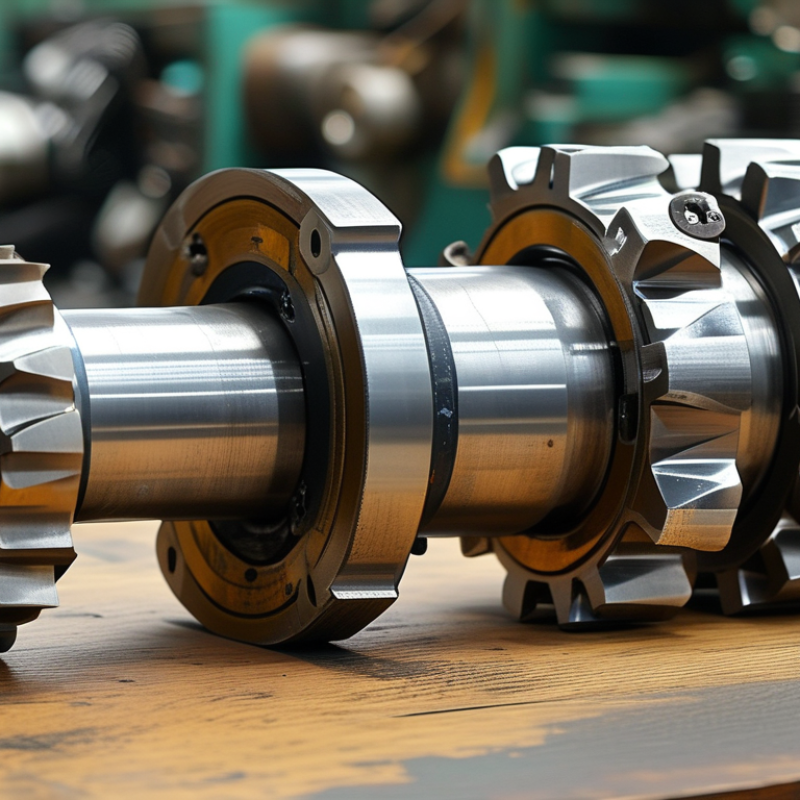
Importance of Metal Transmission Parts in Machinery Performance
Metal transmission parts play a crucial role in the overall performance of machinery. These components ensure smooth power transfer, enabling machines to operate efficiently. Robust metal parts withstand high stress and temperature, making them reliable under various conditions. The durability of these materials is essential. Machinery often operates under intense workloads, and weak components can lead to failures.
The choice of metal in transmission parts directly impacts performance. Superior metals can resist wear and tear. In contrast, lower-quality alternatives may degrade quickly. This degradation can lead to costly repairs and downtime. It's important to assess the quality of materials used in manufacturing these parts. Companies often overlook this crucial aspect, which can affect the long-term functionality of the machinery.
While metal transmission parts are essential, not all designs are perfect. Engineers face challenges when optimizing them for specific applications. Sometimes, a part may not perform as expected, leading to inefficiencies. Constructive feedback is vital in these cases. It can help improve designs and ensure better integration into machinery systems.
Types of Metal Transmission Parts and Their Functions
Metal transmission parts play a pivotal role in various machinery. These components include gears, shafts, bearings, and couplings, each serving its own unique function. For instance, gears are essential for transmitting rotational motion, while shafts support the overall structure and transfer power. Bearings reduce friction, ensuring smooth movement between parts. Couplings connect different parts, allowing for flexibility and alignment.
According to a report by the Global Machinery Industry, up to 40% of machinery failures stem from faulty transmission parts. This highlights the need for high-quality materials and precise engineering. When considering metal types, steel remains a favorite due to its strength and durability. However, aluminum offers a lighter alternative, beneficial in specific applications. Yet, lower quality metals can succumb to wear faster, requiring frequent replacements.
Even with advanced technology, some challenges remain. Variations in temperature and load can cause metal fatigue over time. Inconsistent maintenance practices may further aggravate these issues, leading to unexpected downtimes. Balancing performance with proper care is vital for longevity. Investing in quality metal transmission parts can mitigate risks, ensuring optimal operation within your machinery.
Factors Influencing the Durability of Metal Transmission Parts
Metal transmission parts play a crucial role in machinery performance. Their durability is influenced by various factors. One key factor is the material quality. High-grade metals can withstand wear and tear better than lower-grade alternatives. Proper treatment of these metals also contributes to their strength. Processes like hardening and alloying enhance durability. A well-designed part should resist deformation and fatigue.
Environmental conditions matter too. Extreme temperatures and humidity can accelerate wear. Corrosion is a significant concern for metal parts. Protective coatings can mitigate these risks. Nevertheless, these coatings may not last indefinitely, requiring regular inspection. Maintenance practices cannot be overlooked; neglecting routine checks can lead to failure.
Even with the finest materials, human error can introduce risks. Improper installation may compromise part integrity. Lack of attention to detail during maintenance will also negatively impact the lifespan of transmission components. It's essential to adopt a proactive approach, fostering a culture of reliability in machinery management.
Common Applications of Metal Transmission Parts in Various Industries
Metal transmission parts play a critical role across various industries. In automotive manufacturing, for instance, precision metal gears improve vehicle performance. A report by MarketsandMarkets indicates that the global automotive transmission market is expected to reach $125 billion by 2025, driven by advancements in technology and efficiency requirements.
In industrial machinery, metal transmission components are equally essential. They endure high torque and stress while maintaining reliability. According to a study by Grand View Research, the industrial machinery market is projected to grow at a CAGR of 4.3% from 2021 to 2028. This growth underlines the increasing demand for robust metal components in machinery, ensuring smooth operations.
Applications in the aerospace industry are also noteworthy. Metal transmission components facilitate the operation of crucial systems, from landing gears to hydraulic systems. However, challenges remain in materials selection and manufacturing precision. The need for continuous improvement in these areas is evident, emphasizing the importance of ongoing research and development.
Maintenance Practices for Enhancing Life of Metal Transmission Parts
Metal transmission parts play a vital role in machinery performance. Regular maintenance is crucial for extending their lifespan. Start with regular inspections. Check for signs of wear, rust, or damage. Pay attention to any unusual noises during operation. These early signs can prevent more significant issues later.
Lubrication is another key practice. Proper lubrication reduces friction and heat buildup. Choose the right lubricant based on the environment and machinery type. Too much or too little lubrication can cause problems. A balanced approach is essential. Additionally, clean the components regularly. Remove dirt or debris that may impede operation.
Training your team is equally important. Ensure everyone understands maintenance procedures. Misunderstandings can lead to mistakes that affect machinery performance. Think about preventive measures, such as replacing worn parts before they fail. This proactive approach saves time and money and maintains efficiency. Effective maintenance is an ongoing process, and it’s worth the effort.
FAQS
: The main types include gears, shafts, bearings, and couplings. Each serves a unique function in machinery.
They transmit power, reduce friction, and support structures, ensuring smooth operation in machinery.
Material quality, environmental conditions, and maintenance practices significantly influence their durability.
Extreme temperatures and humidity can accelerate wear and increase corrosion risks for these components.
Protective coatings can reduce corrosion, but they require regular inspection and maintenance to remain effective.
Improper installation and neglected maintenance can introduce risks, compromising part integrity and lifespan.
Low-quality metals wear out faster, leading to more frequent replacements and increased maintenance costs.
Industries like automotive, industrial machinery, and aerospace heavily rely on these components for their operations.
High-quality metal parts reduce risks and ensure optimal performance, supporting machinery efficiency and longevity.
Material selection and manufacturing precision remain challenges, emphasizing the need for continuous research and development.
Conclusion
Metal Transmission Parts play a critical role in the performance and efficiency of machinery across various industries. These components are designed to transfer power and motion, ensuring that equipment operates smoothly. Understanding the different types of metal transmission parts, such as gears, shafts, and couplings, highlights their specific functions and how they contribute to overall machinery functionality.
The durability of these parts is influenced by several factors including material quality, operating conditions, and maintenance practices. Regular maintenance is essential to enhance the lifespan of Metal Transmission Parts, which involves lubricating components, inspecting for wear, and replacing any damaged elements promptly. Proper care not only improves performance but also reduces downtime, making it crucial for industries that rely on heavy machinery and equipment.

 Kineto Motor