Choosing the right DC Gear Motors is rarely as simple as matching voltage and speed. A motor that spins smoothly on a workbench may stall under a conveyor’s real load. I have seen this mistake create heat, noise, and early gear wear. Small details matter. A 12-volt motor may need high starting torque. A compact gearbox may sacrifice speed for pulling power. The correct choice begins with the application, not the product photo.
This guide explains seven practical tips for evaluating DC Gear Motors with greater confidence. We will examine torque, output speed, duty cycle, voltage stability, gearbox design, mounting space, and supplier documentation. These factors affect performance in robotic arms, medical equipment, automated doors, and small industrial machines. Measure the load carefully. Leave room for startup resistance and unexpected friction. Do not rely on rated torque alone. It may describe ideal conditions, not continuous operation.
Noise also deserves attention. A motor can meet its specifications and still feel unsuitable in a quiet workplace. Check backlash when precise positioning matters. Review thermal limits when the motor runs for long periods. Ask whether testing covers the complete operating cycle. Specifications help, but they do not replace practical verification. Sometimes the “best” motor is not the strongest one. It may be the model that stays cooler, fits securely, and remains dependable after repeated use. That judgment takes experience, and it can still require revision.
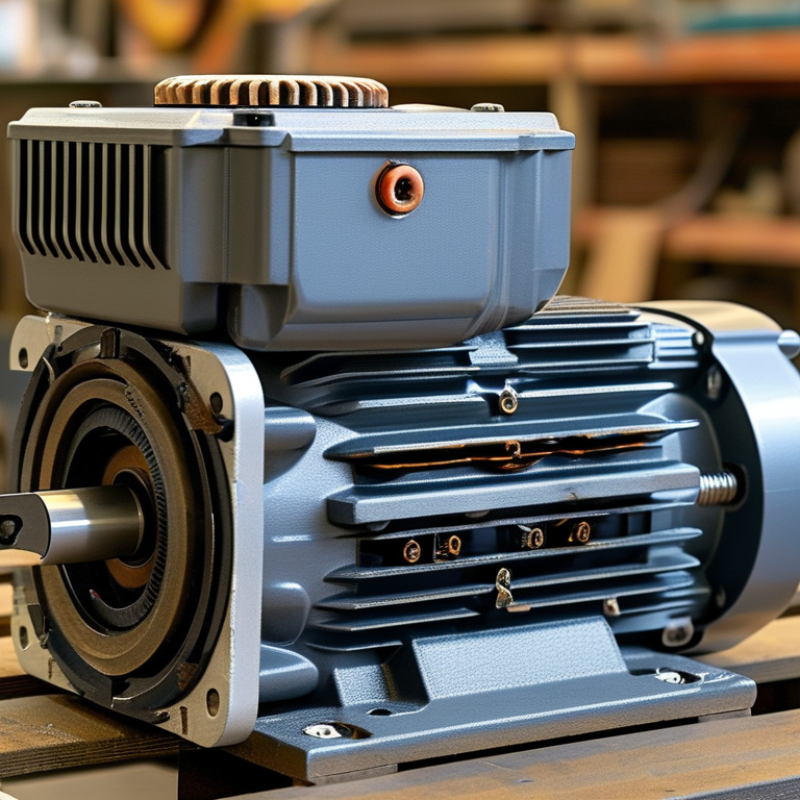
Choosing a DC gear motor starts with measurable requirements, not catalog photos. Record the available voltage, load torque, output speed, and duty cycle. A 12 V supply that drops to 10.8 V under load can change motor performance significantly. Specify continuous torque, startup torque, and occasional peak torque separately.
Tip 1: Measure the real load. Use a spring scale or torque sensor at the shaft. Allow for gearbox friction, acceleration, and misalignment. The International Energy Agency has estimated that electric motor systems consume about 46% of global electricity. Small efficiency losses can therefore become important across many machines.
Tip 2: Match speed and duty. A motor rated at 60 rpm may not deliver that speed under load. Check the speed-torque curve at your actual voltage. For duty, identify continuous operation, short cycles, or frequent starts. IEC 60034-1 defines duty classifications, including S1 continuous duty and S3 intermittent periodic duty. Thermal recovery matters as much as running time.
Tip 3: Confirm electrical limits before ordering. Compare rated current, stall current, controller capacity, and voltage tolerance. Add a brake only when the application truly requires holding force. In my testing experience, designers often choose by nominal torque alone. That is an imperfect shortcut. A cooler motor with modest torque may outlast a stronger motor running near thermal limits. Leave practical margin, but do not oversize blindly; excessive capacity can increase cost, inertia, and battery demand.
Choosing the right DC gear motor begins with comparing gear ratios and efficiency together. A practical comparison starts with speed, load torque, duty cycle, and available voltage.
Typical DC gear motor efficiency ranges from 60% to 85%, depending on reduction stages, bearings, lubrication, and operating load.
A higher ratio usually produces more torque and lower output speed. However, each extra gear stage can introduce additional losses. More reduction is not automatically better.
The International Energy Agency estimates that electric motor systems consume roughly 46% of global electricity. This figure includes many motor types, not only DC gear motors. Still, it shows why small efficiency differences deserve attention. A motor rated at 75% efficiency wastes less heat than one rated at 62% under the same mechanical load. The number is useful, but it is not a promise. Datasheet efficiency may reflect ideal voltage, temperature, and load conditions.
Check efficiency at the actual operating point, not only the maximum value. Compare output torque at the required speed, then inspect current draw and thermal limits. For intermittent motion, a compact motor may perform well. Continuous operation is less forgiving.
Avoid sizing only for startup torque. That would be careless. U.S. Department of Energy motor-system guidance also recommends evaluating load profile, speed control, and operating hours. Record these values during testing. Small losses become expensive when the motor runs thousands of hours.
Choosing a DC gear motor starts with torque, not speed alone. Rated torque shows the continuous load the gearbox can handle during normal operation. Measure the real load at the output shaft, including friction, incline, and belt tension. A conveyor carrying 20 kilograms may need more torque than its weight suggests.
Starting torque deserves separate attention. Motors often face their hardest moment when the load is stopped. A loaded conveyor, lifting mechanism, or tight seal can demand a sharp torque increase. Check the motor’s starting torque at the actual voltage, not only the value listed in ideal conditions. Low battery voltage can reduce available torque noticeably. It happens more often than expected.
Use the service factor carefully. A factor between 1.2 and 2.0 provides a margin for shock loads, temperature changes, and uncertain operating conditions. It does not mean a motor should run continuously at twice its rated torque. For example, a 1.5 service factor may support brief overloads, while steady operation should remain near the rated value. Check duty cycle, gearbox efficiency, heat removal, and startup frequency. I once trusted a neat calculation and ignored repeated starts; the motor became hot within minutes. That mistake changed my selection method. I now compare rated torque, starting torque, and service factor under the same working conditions. Load data is never perfect, so leave a sensible margin without choosing an oversized motor blindly.
Choosing a DC gear motor requires more than checking rated torque. In long-life equipment, duty cycles above 10,000 operating hours expose weak assumptions quickly. Examine load, speed, starts, stops, and ambient temperature before comparing motors. A motor running eight hours daily may reach 10,000 hours in about three and a half years. That calendar reality matters. Short bursts are not automatically gentle. Repeated acceleration can heat windings and wear gears faster than steady operation. Count the actual cycles.
For each application, calculate duty cycle from load duration and rest duration. Record peak torque, average torque, starts per hour, and reversal frequency. Compare these figures with continuous and intermittent ratings. A gearbox may survive the torque but fail from heat, backlash, or lubrication loss. Keep housing temperature visible during testing. A simple sensor can reveal problems hidden by brief bench tests. I also test beyond the expected load when safety allows. It is not a perfect prediction, but it exposes fragile margins.
Ask for documented life testing, bearing data, gear material details, and failure criteria. “10,000 hours” means little without defined load, speed, temperature, and duty patterns. Check whether testing used real cycling. Real machines rarely behave perfectly. My first estimates were too optimistic when operators changed cycle timing. Leave thermal and torque margin, but do not oversize blindly. Extra weight, cost, and inertia can create new problems. Keep service records after installation. Trends often appear before failures.
This planning chart converts cumulative motor-on hours into elapsed calendar hours at different duty cycles. The calculation uses: calendar hours = required motor-on hours ÷ duty cycle. A 100% duty cycle represents continuous operation, while lower duty cycles include time when the motor is switched off. Actual gearmotor lifespan also depends on load, speed, temperature, lubrication, shock loads, and maintenance conditions.
Choosing a DC gear motor involves more than checking voltage, torque, and price. IEC 60034 compliance deserves close attention because it covers important requirements for rotating electrical machines. Ask for the exact applicable parts, test methods, and document edition. A vague compliance statement is not enough.
Check rated power, duty cycle, temperature rise, insulation performance, and efficiency data. These details affect service life under real loads. A motor running eight hours daily needs different thermal consideration than one used for short positioning movements. Review the test report, not only the datasheet. Small gaps matter.
The IP rating must match the installation environment. IP54 offers protection from limited dust and water splashes. IP65 provides dust-tight protection and resistance to water jets. Neither rating automatically permits immersion. Also, verify that the rating applies to the complete motor and gearbox assembly, including connectors, cable glands, and mounting orientation. An exposed connector can defeat an otherwise suitable enclosure.
In practice, buyers sometimes select IP65 for outdoor equipment, then overlook condensation inside the housing. A drain design, breathable membrane, or controlled storage procedure may still be necessary. I would also question ratings tested under laboratory conditions only. Dust, vibration, cleaning chemicals, and repeated temperature changes can expose weaknesses that a short test misses. Request clear test evidence and installation limits before approving the motor.
: Record supply voltage, load torque, output speed, and duty cycle. Measure voltage under load, not only at rest. A 12-volt supply may fall to 10.8 volts.
Use a spring scale or torque sensor at the output shaft. Include gearbox friction, acceleration, belt tension, and misalignment. Catalog estimates can mislead.
Starting torque covers the difficult moment when the load is stopped. Conveyors, lifting systems, and tight seals may need extra force. Check this value at the actual voltage.
A service factor between 1.2 and 2.0 can cover shocks and uncertain conditions. It does not permit continuous operation at twice rated torque. Leave room.
A motor rated at 60 rpm may run slower under load. Check the speed-torque curve at your working voltage. Frequent starts create heat quickly.
Compare rated current, stall current, controller capacity, and voltage tolerance. Confirm the controller can handle startup demand. Battery voltage deserves attention.
IP54 limits dust entry and protects against water splashes. IP65 provides dust-tight protection and resists water jets. Neither rating automatically allows immersion.
Request the applicable rotating-machine standard, test methods, and document edition. Review temperature rise, insulation, efficiency, and duty data. A vague statement is not enough.
No. Oversizing can increase cost, inertia, and battery demand. A cooler motor with moderate torque may last longer. I once trusted a neat calculation and ignored repeated starts; the motor overheated within minutes. That mistake still matters.
Choosing the right DC Gear Motors begins with clearly defining the application’s voltage, required torque, operating speed, and duty cycle. These factors help ensure the motor can deliver reliable performance without overheating or excessive wear. When comparing options, consider the gear ratio and efficiency, which typically ranges from 60% to 85% in DC gear motors. A suitable ratio should provide the desired balance between output speed and usable torque.
It is also important to check rated torque, starting torque, and the appropriate service factor, commonly between 1.2 and 2.0 depending on load conditions. For long-term reliability, evaluate the expected lifespan under the intended duty cycle, especially when operation may exceed 10,000 hours. Finally, verify compliance with IEC 60034 and select an enclosure rating suited to the environment, such as IP54 for general protection or IP65 for stronger resistance to dust and water.

Kineto Motor