Choosing the right High Torque Gearbox is crucial for efficient machinery operation. In various industrial applications, these gearboxes can significantly impact performance. According to industry reports, the global gearbox market is expected to reach $74 billion by 2024, with high torque variants driving this growth.
Selecting the appropriate gearbox requires understanding specific needs. For instance, assessing torque requirements and operational speeds is essential. A mismatch can lead to equipment failure or reduced efficiency. Studies show that over 30% of machinery downtime is linked to gearbox issues. This statistic highlights the importance of thoughtful selection.
When choosing, consider factors like load capacity and mounting options. It's not just about finding the cheapest option—it’s about reliability and durability, too. Misjudging these aspects can result in costly mistakes. Many engineers reflect on their past experiences when they overlooked these criteria, leading to inefficient operations. Ultimately, making an informed choice on a High Torque Gearbox can enhance productivity and prolong equipment lifespan.
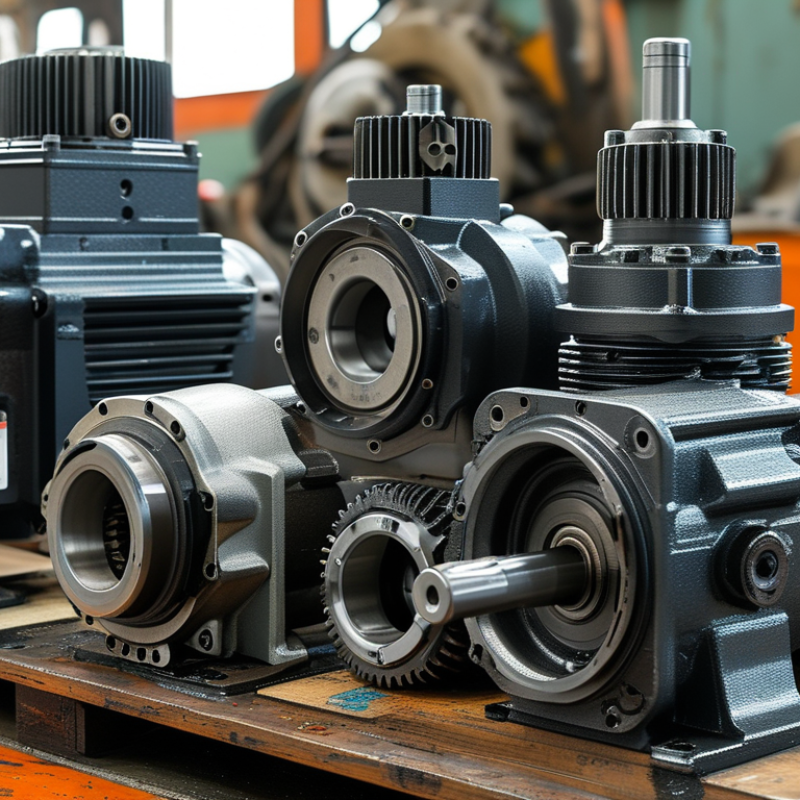
Understanding High Torque Gearboxes and Their Applications
High torque gearboxes are crucial in various industries, from automotive to manufacturing. They are designed to transmit high levels of torque at specific speeds.
According to a recent industry report, the global market for high torque gearboxes is expected to grow at a CAGR of 6.5% through 2027. This growth underscores the increasing demand for efficient torque solutions in diverse applications.
Understanding the applications of high torque gearboxes can aid in selecting the right one for specific needs. For example, in robotics, these gearboxes allow precise control and handling of heavy loads.
Industries often face challenges like thermal efficiency and mechanical stress. Therefore, choosing the correct gearbox ensures enhanced durability and reliability.
Reports indicate that over 30% of gear system failures are due to improper torque management. This highlights the importance of selecting an appropriate gearbox that aligns with your specific application requirements.
Moreover, factors such as input speed, output torque, and load type must be considered. These specifications play a vital role in the selection process. Neglecting these details can lead to performance losses and increased operational costs.
Exploring options with varying gear ratios can provide valuable insights into performance optimization. Industry experts recommend thoroughly assessing your needs before making a choice.
Key Factors to Consider When Selecting a High Torque Gearbox
When selecting a high torque gearbox, several key factors come into play. Understanding the gear ratio is crucial. A gearbox with an appropriate gear ratio can maximize torque output for specific applications. According to industry data, a 10:1 gear ratio often provides a substantial increase in torque, suitable for heavy machinery. However, users must be cautious. A higher gear ratio might lead to slower speeds. Balancing torque and speed is essential for optimal performance.
Another significant factor is the type of gearbox. Helical gearboxes are efficient for high torque applications due to their smooth operation. In contrast, worm gearboxes can produce high torque but at a lower efficiency. Industry reports suggest that helical designs can achieve up to 95% efficiency, while worm gear designs might offer only about 80%. This efficiency difference can significantly impact energy consumption and operational cost. Selecting the right type demands careful consideration of specific operational needs.
Moreover, material and construction matter. The durability of a gearbox relies on its materials. High-quality steel or alloys generally offer better performance and longevity. While cost-effective options exist, they often compromise on reliability. Some users report gearbox failures due to subpar materials in high-stress environments. It's essential to assess operational conditions and potential loads. Examination of previous performance data can guide better decisions.
Types of High Torque Gearboxes and Their Features
When selecting a high torque gearbox, understanding the various types and their features is essential. Gearboxes are classified mainly into three types: worm, planetary, and helical. Each design serves unique applications and performance needs. Worm gearboxes excel in applications requiring high torque and reduced speed. Planetary gearboxes, on the other hand, provide significant torque density and compactness, ideal for space-constrained scenarios. Helical gearboxes offer quieter operation and a smoother performance.
Tips: Always consider the specific requirements of your application. Assess the output speed, torque needs, and environment.
Moreover, materials used in gearbox construction impact durability and performance. Opt for gearboxes made from high-quality steel or aluminum for better longevity. The choice of lubrication is also crucial. Proper lubrication can enhance efficiency and prevent wear.
Tips: Monitor the gearbox's condition regularly. Look out for unusual sounds or overheating, as these can signal issues. Establishing a maintenance schedule can extend the lifespan of your gearbox.
How to Choose the Right High Torque Gearbox for Your Needs?
| Type of Gearbox |
Torque Range (Nm) |
Output Speed (RPM) |
Efficiency (%) |
Applications |
| Spur Gearbox |
50 - 5000 |
100 - 1500 |
90 - 95 |
Conveyors, Elevators |
| Planetary Gearbox |
100 - 10000 |
50 - 1000 |
85 - 98 |
Robotics, Automation |
| Helical Gearbox |
80 - 7000 |
100 - 2000 |
90 - 95 |
Industrial Machinery, Fans |
| Worm Gearbox |
20 - 4000 |
10 - 500 |
80 - 90 |
Conveyor Systems, Actuators |
| Bevel Gearbox |
40 - 3000 |
50 - 1500 |
85 - 90 |
Construction, Agriculture |
Evaluating Performance Metrics for High Torque Gearboxes
When selecting a high torque gearbox, evaluating performance metrics is crucial. Start by assessing torque capacity, which indicates how much load the gearbox can handle. Look for specifications detailing maximum and continuous torque. Additionally, gear ratio affects the output speed and torque, so choose ratios that align with your application requirements.
Efficiency ratings also provide insight. Higher efficiency minimizes energy loss, enhancing overall performance. However, consider the trade-offs. More efficient gearboxes may have higher initial costs or specific design requirements. Always reflect on the application's demands and how these metrics align with your goals.
Noise and vibration levels play significant roles too. Gearboxes that operate smoothly tend to have longer lifespans. Noise might not be a primary concern in some settings, but it can be critical in others. Analyze the environment in which the gearbox will function to ensure its suitability. Attention to these performance metrics guarantees a more informed choice.
Common Mistakes to Avoid When Choosing a Gearbox
Choosing the right high torque gearbox can be daunting. Many people rush into decisions without understanding their specific needs. One common mistake is overlooking the torque requirements. It’s crucial to match the gearbox torque capacity with your application needs. An inadequate torque rating can lead to poor performance or even equipment failure.
Another frequent error is ignoring the gearbox size and weight. A gearbox that’s too large can be cumbersome to install. In contrast, a too-small model can lead to overheating. Both scenarios can result in significant downtime. Some individuals also fail to consider the gear ratio. An improper ratio can affect speed and efficiency. Understanding how these parameters interact is essential before making a choice.
Many buyers underestimate the importance of future maintenance and support. It’s wise to research the reliability of the gearbox design. Regular maintenance can prevent costly repairs later. Additionally, ask for expert advice if uncertain about technical specifications. Engage with professionals who can provide insights tailored to your applications. Making informed choices without haste leads to better investment in gearboxes.
Conclusion
Choosing the right High Torque Gearbox requires a thorough understanding of its functionalities and applications in various industries. Key factors to consider include the specific requirements of your project, such as load capacity, input speed, and environmental conditions. Different types of High Torque Gearboxes come with unique features that cater to diverse operational needs, making it essential to evaluate each option carefully.
When selecting a High Torque Gearbox, assessing performance metrics is crucial for ensuring efficiency and reliability. Additionally, it's important to avoid common mistakes, such as underestimating torque requirements or neglecting maintenance needs. By taking these factors into account, you can make an informed decision that aligns with your operational goals.

 Kineto Motor