Why Choose Electric Gear Motors for Your Industrial Needs?

Time:2026-07-25 Author:Charlotte
0%

In today's industrial landscape, the choice of machinery directly impacts productivity and efficiency. Electric Gear Motors have emerged as a powerful solution for many organizations. These motors offer a combination of torque and speed control that is hard to match. Their compact designed is an added advantage for industrial applications with limited space.

The need for reliability in machinery cannot be overstated. Electric Gear Motors provide dependable performance, which is crucial in high-demand environments. However, not all motors are created equal. Understanding the specific needs of your operation is key to making the right choice. Factors such as load requirements and energy efficiency should play a critical role in your decision-making process.

Not all installations go smoothly. Choosing the wrong motor can lead to inefficiencies and costly downtime. Therefore, it’s important to consult with experts who can provide insights based on their experience. Investing in the right Electric Gear Motor can streamline operations and drive your business forward.
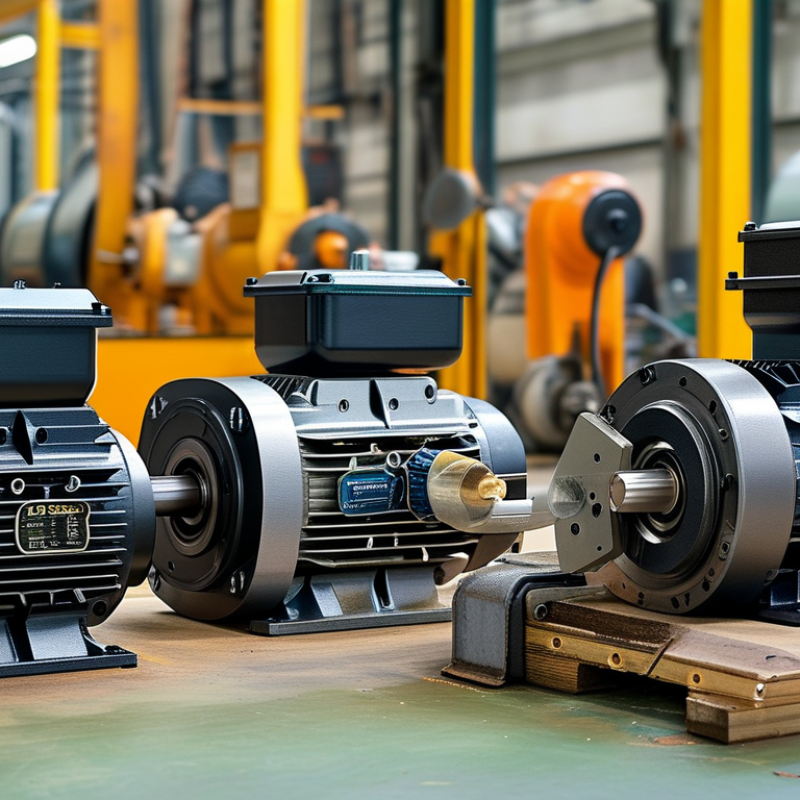
Why Choose Electric Gear Motors for Your Industrial Needs?

Advantages of Electric Gear Motors in Industrial Applications

Electric gear motors offer numerous advantages for industrial applications. They are efficient and can operate under varying loads, which makes them suitable for diverse tasks. The combination of torque and speed control is essential in many industries. Electric gear motors allow for precise adjustments, ensuring machinery runs smoothly.

Energy efficiency is crucial for modern manufacturing. Electric gear motors consume less power than traditional motors. This reduction in energy usage leads to lower operational costs and a smaller carbon footprint. Additionally, these motors require less maintenance, resulting in a more reliable operation. Frequent maintenance can disrupt production lines, so reliability is key.

However, investing in electric gear motors does have challenges. Sizing the motor correctly for specific applications requires careful consideration. An oversized motor can lead to inefficiencies, while an undersized one may not meet power needs. Thus, proper analysis is necessary to maximize benefits. Overall, electric gear motors provide a viable solution for many industrial applications.

Key Features of Electric Gear Motors for Enhanced Efficiency

Electric gear motors have become a staple in various industrial applications due to their efficiency and reliability. One of the key features of these motors is their energy efficiency. According to a report by the U.S. Department of Energy, electric motors account for over 60% of the industrial energy consumption. High-efficiency gear motors can reduce energy usage by up to 30%. This significant reduction not only lowers operating costs but also minimizes the carbon footprint of manufacturing processes.

Another notable aspect of electric gear motors is their compact design. Many industries are pressured to optimize space. Electric gear motors fulfill this requirement without compromising on power. They provide high torque output in a smaller package, making them ideal for tight workspaces. A study published in the Journal of Mechanical Engineering highlights that smaller motors have led to improved machine designs and increased production line efficiency.

However, there are challenges to consider. Not all electric gear motors are created equal. Variability in performance can occur due to poorly matched components or subpar materials. This inconsistency can lead to unexpected downtime, impacting overall productivity. Industries must carefully evaluate motor specifications and manufacturers. While electric gear motors present clear advantages, it’s crucial to approach purchasing decisions with due diligence.

Efficiency Comparison of Electric Gear Motors

Comparison of Electric Gear Motors vs. Traditional Motor Options

Electric gear motors provide distinct advantages over traditional motor options. They offer a compact design, which helps save space in industrial settings. Often, these motors are more efficient. They convert electrical energy into mechanical power with minimal losses. This efficiency can lead to lower operational costs in the long run.

In contrast, traditional motors can be bulkier and less efficient. They often require additional components for speed and torque adjustments. This complexity may increase maintenance needs. Additionally, traditional motors can consume more energy, impacting overall productivity. However, they can be more straightforward to replace in some scenarios, especially for existing setups.

Choosing between these motor types can be a challenge. Each application has unique requirements. Decision-makers need to assess factors like energy consumption, space, and maintenance. Making the right choice can significantly benefit industrial operations.

Maintenance and Longevity of Electric Gear Motors in Industrial Use

Electric gear motors have gained popularity in industrial settings due to their efficiency and durability. However, maintenance is crucial for longevity. Regular inspections can prevent minor issues from escalating into major problems. Operators should check gears for wear and lubrication levels routinely. Dust and debris can accumulate, affecting performance. A clean environment contributes to the lifespan of these motors.

Despite their reliability, electric gear motors can face challenges. Bearings may need replacement after extensive use. Operators must be attentive to any unusual noises or vibrations. These signs often indicate underlying issues. Simple troubleshooting can save time and costs in the long run. Practicing good maintenance transforms the potential pitfalls into learning opportunities.

Routine maintenance schedules can sometimes feel tedious. However, they directly impact operational efficiency and downtime. Neglecting these tasks can lead to unexpected failures. Some operators might overlook minor details, which could be detrimental. In the fast-paced industrial world, these reflections on maintenance practices can lead to more informed strategies.

Cost-Effectiveness of Electric Gear Motors Over Time

Electric gear motors have become a preferred choice for many industries due to their long-term cost-effectiveness. Unlike traditional motors, electric gear motors offer higher efficiency and reliability. They consume less energy, leading to significant savings on electricity bills. This efficiency translates into lower operational costs over time, making them an economical option for businesses.


The durability of these motors further enhances their appeal. They are designed to withstand harsh conditions and heavy loads. Regular maintenance can extend their lifespan, minimizing costly replacements. Businesses often overlook the initial investment, focusing instead on the potential savings. However, the benefits of electric gear motors compound over years.


Yet, some may argue that initial costs can be high. This perception can discourage businesses from switching. An analysis of the total cost of ownership reveals that the savings eventually surpass these initial expenses. Embracing electric gear motors might require a mindset shift, but the long-term financial benefits often justify the change.

FAQS

: What are the advantages of electric gear motors?

: Electric gear motors have a compact design and are more efficient than traditional motors. They save space and reduce operational costs.

How do traditional motors differ from electric gear motors?

Traditional motors are bulkier, less efficient, and may require more components for speed and torque control.

Why is maintenance important for electric gear motors?

Regular maintenance can prevent small issues from becoming significant problems. It ensures longevity and optimal performance.

What common problems do electric gear motors face?

Bearings may wear out and need replacement. Unusual noises or vibrations often indicate issues that require attention.

How can neglecting maintenance affect electric gear motors?

Neglecting routine checks can lead to unexpected failures and increased downtime. Minor details should not be overlooked.

Are electric gear motors cost-effective in the long run?

Yes, they are more efficient, consume less energy, and lower operational costs over time, providing significant savings.

What should businesses consider when choosing motor types?

Factors include energy consumption, space requirements, and maintenance needs. Each situation is unique and must be assessed.

Is the initial cost of electric gear motors a concern?

Initial costs may be higher, but the long-term savings typically outweigh these expenses, making them a wise investment.

How often should maintenance be performed on electric gear motors?

Routine inspections should occur regularly to ensure optimal performance and prevent minor issues from escalating.

What mindset shift is needed when adopting electric gear motors?

Businesses must recognize the potential savings over time, even if initial costs appear high. This perspective can influence decision-making.

Conclusion

Electric gear motors are increasingly becoming the preferred choice for industrial applications due to their numerous advantages. They offer enhanced efficiency through key features such as high torque output, compact design, and precise speed control. When compared to traditional motor options, electric gear motors demonstrate superior performance in terms of energy consumption and operational reliability, making them a smart investment for industrial processes.

Moreover, the maintenance and longevity of electric gear motors contribute significantly to their cost-effectiveness over time. With lower upkeep requirements and the ability to endure demanding environments, these motors provide a viable solution for industries seeking durability and efficiency. Overall, integrating electric gear motors into industrial operations can lead to improved productivity and reduced operational costs in the long run.

Charlotte

Charlotte

Charlotte is a seasoned marketing professional with a deep understanding of the company's portfolio and a passion for elevating its presence in the market. With a keen eye for detail and a commitment to excellence, she ensures that our professional blog is regularly updated with insightful articles......