The demand for CNC Machined Gears is rising globally. These gears are crucial for various industries, including automotive, aerospace, and robotics. As technology advances, buyers need precision and reliability in their gear systems. CNC Machined Gears offer consistent quality and enhanced performance.
In 2026, global buyers will seek gears that meet rigorous standards. High precision is non-negotiable for applications that demand efficiency. Manufacturers must focus on using advanced machinery and favorable materials. This combination leads to superior products.
However, the market presents challenges. Not all suppliers adhere to quality standards. Additionally, some manufacturers struggle to keep up with innovation. Buyers must carefully evaluate potential suppliers. Ensuring reliability in CNC Machined Gears requires due diligence and informed decisions.
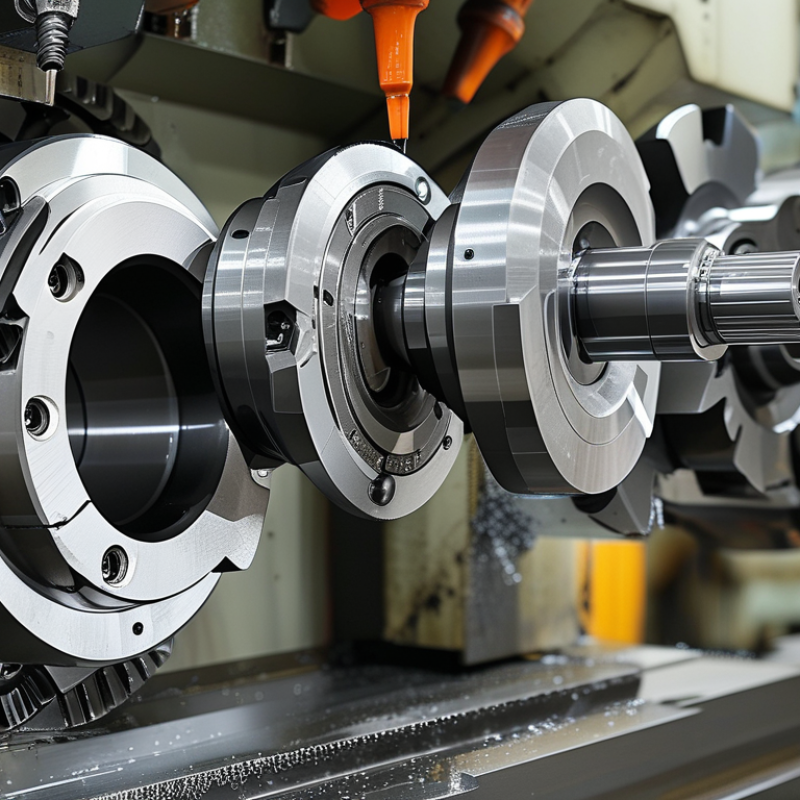
CNC machining has revolutionized gear production, providing precision and efficiency that traditional methods cannot match. According to a report by MarketsandMarkets, the CNC machining market is expected to reach $117 billion by 2026, driven by increased demand for customized and intricate gear shapes. This technology allows for high-quality, repeatable machining of gears with tight tolerances, essential for high-performance applications in automotive and aerospace industries.
CNC machining employs computer-controlled tools to create gears from various materials, including metals and plastics. A study from TechNavio indicates that gears produced through CNC machining can achieve dimensional accuracy of up to ±0.01 mm. This precision improves overall system performance and minimizes wear, extending the lifespan of the components. However, high initial investment and operational costs can be a barrier for smaller manufacturers.
Tips: Always consider the cost-benefit ratio before investing in CNC technology. Evaluate whether the anticipated production volume justifies the expenses. Effective training for operators is crucial to maximize the potential of CNC machines. Understanding the software used in programming these machines can significantly impact production efficiency. Sometimes, companies overlook the importance of routine maintenance, which can lead to unexpected downtime and increased costs.
In 2026, the landscape of CNC machined gears is shaped by key design and manufacturing factors. Precision engineering plays a vital role. The materials used significantly influence durability and weight. Advanced alloys offer strength, while lightweight composites help in applications requiring speed.
Tips: Consider the environment where gears will operate. High-temperature settings require specific materials to maintain performance.
Another important factor is the manufacturing process. Choices like CNC machining or additive manufacturing affect production speed and cost. Not all processes yield the same precision. Collaborating with skilled engineers ensures optimal design tailored to your specific needs.
Tips: Evaluate the resources available in your region. Some areas may lack expertise in advanced manufacturing techniques. This could delay projects or increase costs. A thorough assessment is critical for project success.
CNC machined gears play a crucial role in various industries, providing precision and reliability. In the automotive sector, these gears are vital for transferring power and ensuring smooth operation. They must endure high torque and various environmental conditions. The ability to customize gear types and materials can enhance performance significantly, allowing for improved fuel efficiency and reduced wear.
In the aerospace industry, CNC machined gears are essential components in flight systems. They must meet strict safety and performance standards. These gears help in controlling flight dynamics, significantly impacting aircraft efficiency. However, the challenge lies in balancing weight and strength when selecting materials. Manufacturers need to invest time in research and development to address these issues effectively.
The manufacturing sector is also reliant on CNC machined gears for automated machinery. These gears ensure precision in production lines, directly affecting output quality. Flaws in gear design or production can lead to substantial inefficiencies. Hence, continuous improvement and meticulous quality checks are necessary to maintain standards. Industries must remain aware of industry advancements to adapt and improve machining processes.
In the evolving landscape of manufacturing, CNC machined gears play a vital role. These components are essential in machinery across various industries. Accurate gear production is critical for performance and longevity. Leading suppliers and manufacturers are adapting to meet the growing global demand.
Choosing the right supplier can be challenging. Factors like material quality, precision, and delivery timelines are key. Some manufacturers excel in custom gear solutions, which adds complexity. Transparency in sourcing and production methods can often be lacking. It's vital to assess each supplier's experience in the field.
The global market requires a diverse range of gear specifications. Suppliers must understand unique customer needs. This requires ongoing collaboration and innovation. A focus on sustainability is also emerging. Manufacturers face pressure to reduce waste and energy consumption. Such initiatives can be difficult but are increasingly important in today's market.
The future of CNC machined gears is evolving. Innovations in materials and manufacturing techniques are driving this change. According to a recent market report, the global CNC machining market is projected to reach $100 billion by 2026. This growth is fueled by advancements in automation and precision engineering.
Sustainability remains a key trend. Manufacturers are shifting towards eco-friendly materials, reducing waste. A survey indicated that 78% of companies prioritize sustainable practices. However, challenges persist. Many firms struggle to balance cost with sustainable choices. Reports show that only 25% of companies meet industry sustainability standards. These barriers highlight the need for continuous improvement.
Collaboration is vital. Industry leaders are working together to share best practices and technologies. Knowledge transfer is essential for driving innovation. Frequent updates on industry standards can help ensure products meet market demands. As the landscape changes, staying informed is crucial for buyers looking for reliable suppliers in CNC machined gears.
| Gear Type | Material | Application | Sustainability Features | Projected Growth (%) |
|---|---|---|---|---|
| Spur Gears | Steel Alloy | Automotive | Recyclable materials | 5% |
| Helical Gears | Aluminum | Industrial Machinery | Reduced weight for lower energy use | 7% |
| Bevel Gears | Plastic Composites | Aerospace | Biodegradable materials | 10% |
| Worm Gears | Bronze | Robotics | Recycled metal sourcing | 6% |
| Rack and Pinion | Carbon Fiber | Construction Equipment | Long lifespan reducing waste | 8% |
: CNC machining uses computer-controlled tools to produce gears with high precision and efficiency from various materials.
Gears produced through CNC machining can achieve dimensional accuracy of up to ±0.01 mm, enhancing overall performance.
It allows for customized gear shapes, improving performance in demanding applications like automotive and aerospace industries.
Yes, high initial investment costs and the need for effective training can be barriers for smaller manufacturers.
Regular maintenance is crucial. Overlooking it can lead to unexpected downtime and increased operational costs.
Automotive, aerospace, and manufacturing sectors rely heavily on CNC machined gears for precision and reliability in operations.
They play a critical role in power transfer and can enhance fuel efficiency by reducing wear over time.
Aerospace gears must meet strict safety standards and weigh the balance between weight and strength for optimal performance.
Flaws in gear design or production can result in significant inefficiencies, making quality checks essential.
Industries must keep up with advancements to improve machining processes and maintain high standards in gear production.
The article "2026 Top CNC Machined Gears for Global Buyers Needs" provides a comprehensive overview of CNC machining technology specifically tailored for gear production. It highlights key factors influencing gear design and manufacturing in 2026, such as advancements in technology, material selections, and precision requirements. The discussion extends to the top applications for CNC machined gears across various industries, showcasing their versatility and importance in modern engineering.
Furthermore, the article explores leading global suppliers and manufacturers of CNC machined gears, emphasizing their contributions to the industry's growth. It also anticipates future trends, focusing on innovations and sustainability efforts within the CNC machining sector. As the demand for high-quality, precision components increases, CNC machined gears are set to play a crucial role in meeting the needs of diverse markets worldwide.

Kineto Motor